

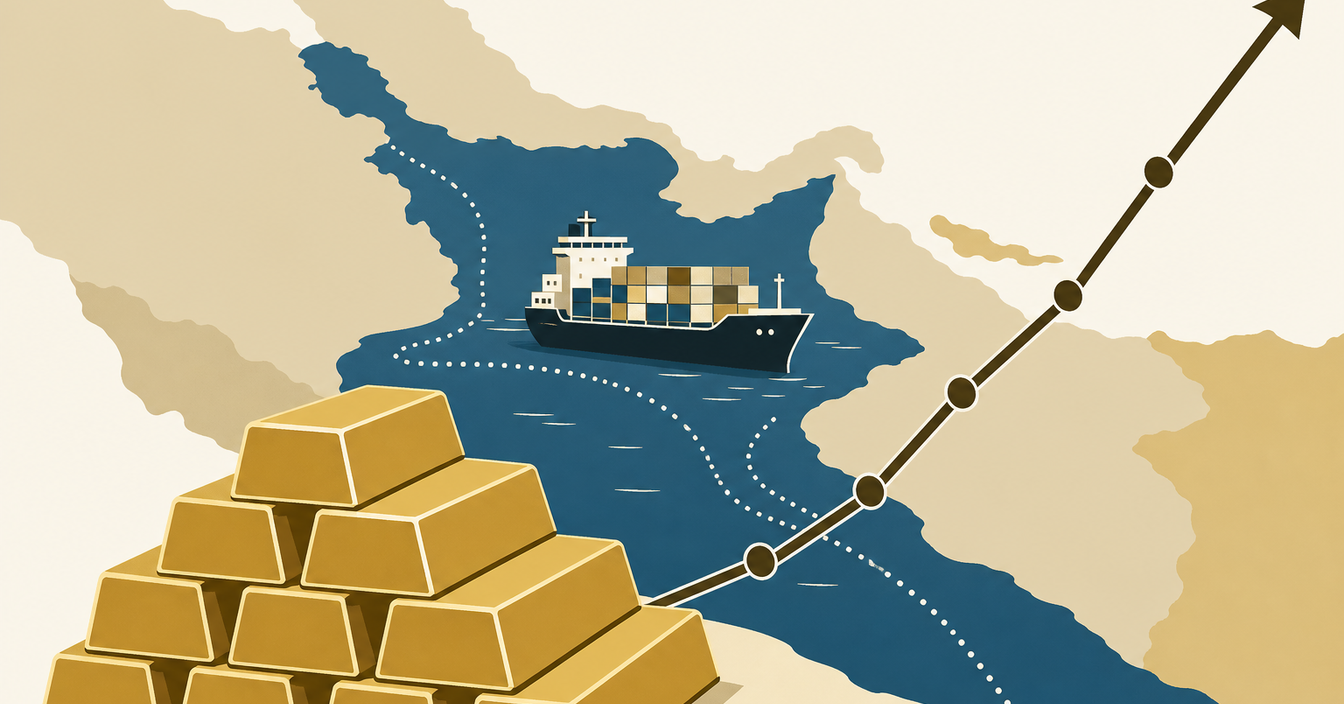
Markets reassessed Middle East risk after new U.S. strikes on Iran, keeping attention on potential disruptions through the Strait of Hormuz—an energy shock channel that can spill into inflation expectations, interest-rate pricing, and demand for safe-haven metals like gold.
A new round of U.S. strikes on Iran added a fresh dose of geopolitical uncertainty for commodity and macro markets on Thursday, keeping traders focused on whether shipping through the Strait of Hormuz could face renewed disruptions.
According to Reuters, oil prices initially spiked in reaction to the escalation before turning lower as investors weighed whether the next steps would point toward de-escalation or further interference with flows through the strategic chokepoint. The strait is a key artery for global energy trade, and any threat to transit conditions can quickly translate into higher inflation concerns.
That inflation channel matters for precious metals. When energy prices surge, markets often reprice the outlook for central-bank policy and longer-term interest rates. Rising yields and a stronger U.S. dollar can weigh on non-yielding assets such as gold and silver, while heightened geopolitical risk can support them through safe-haven demand.
For metals investors, the near-term impact will likely depend on whether shipping and insurance conditions tighten materially, whether attacks on commercial vessels intensify, and how quickly diplomacy returns to the foreground. Until there is clearer evidence of stabilization, headlines tied to Hormuz access and energy prices may remain an important driver of day-to-day moves across bullion markets.
Why This News Matters
Renewed Middle East conflict risk can influence gold and silver through safe-haven demand, inflation expectations via energy prices, and knock-on moves in bond yields and the U.S. dollar—key drivers of precious-metals pricing.
Affected Metals
- GOLD: Geopolitical escalation can lift safe-haven interest, while oil-driven inflation fears can also push yields and the dollar higher—cross-currents that may increase gold volatility.
- SILVER: Silver can react alongside gold to risk sentiment and dollar/yield moves, though its industrial linkage can make the net response depend on broader growth expectations.
Source: Reuters (via Investing.com)