

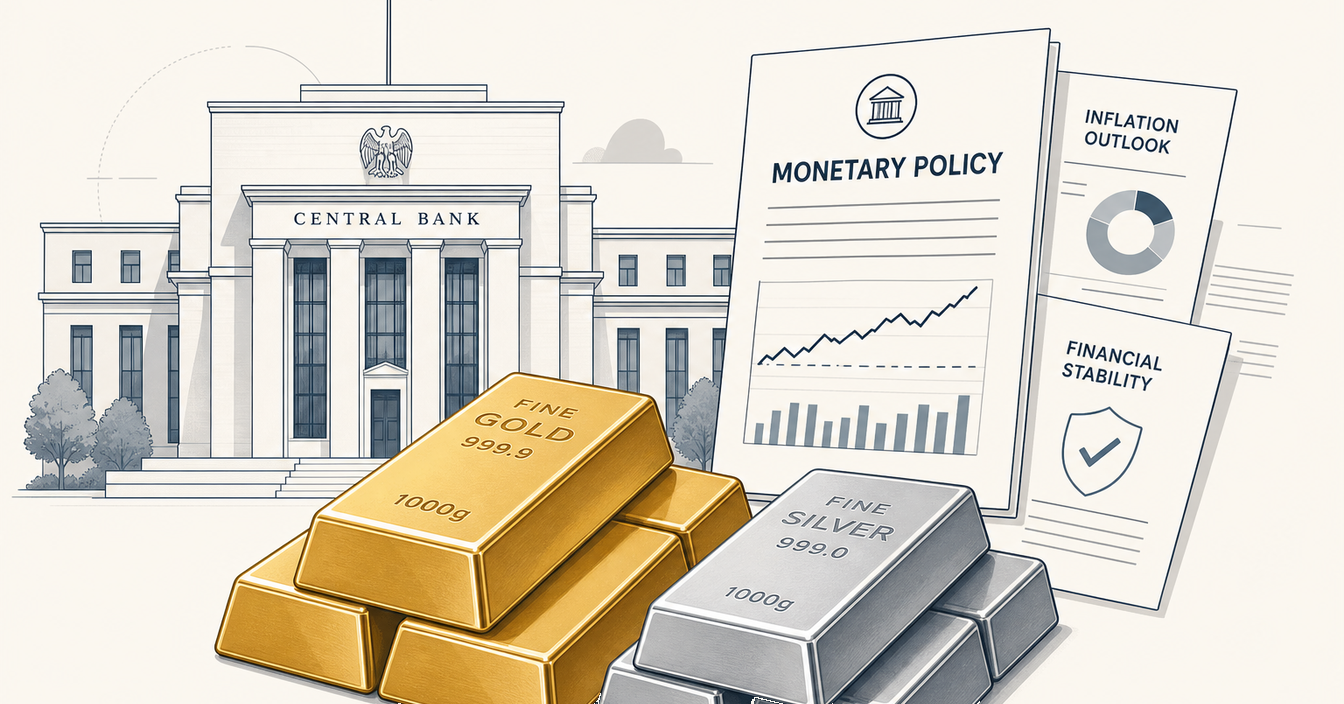
At the Jackson Hole Economic Symposium today, Federal Reserve Chairman Kevin Warsh suggested that the central bank may need to resume interest rate hikes to ensure inflation returns to its 2% target, sparking a sharp reaction in precious metals markets.
In his inaugural keynote address at the Jackson Hole Economic Policy Symposium on Friday, Federal Reserve Chairman Kevin Warsh indicated that the central bank’s battle against inflation is not yet over. Addressing an audience of global central bankers, Warsh stated that the Fed must remain confident that underlying price pressures are moving toward the official target at a sufficient speed, noting that the committee still has 'work to do' if those objectives are not met.
The remarks marked a departure from the Chairman’s previous preference for minimal policy signaling. Market participants interpreted the speech as a hawkish turn, with the probability of a 25-basis-point interest rate hike in September jumping from 36% to 56% shortly after the comments. This shift in expectations immediately impacted the precious metals sector, as the U.S. dollar strengthened and Treasury yields remained firm.
Gold prices, which had recently traded near multi-month highs, retreated more than 1% following the news. Silver and platinum also faced volatility as investors weighed the prospect of a higher-for-longer interest rate environment. Because precious metals do not provide interest or dividends, they often face headwinds when central banks move toward tighter monetary policy. However, while the threat of near-term rate hikes weighed on spot prices, some analysts noted that the Fed's renewed focus on inflation underscores persistent economic risks that could eventually sustain long-term safe-haven interest.
Why This News Matters
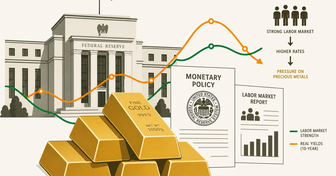
The Federal Reserve's stance on interest rates is a primary driver of precious metals prices. Higher interest rates increase the opportunity cost of holding non-yielding assets like gold and silver while strengthening the U.S. dollar, which typically puts downward pressure on bullion prices.
Affected Metals
- GOLD: The prospect of higher interest rates increases the opportunity cost of holding gold, leading to price pressure and a stronger U.S. dollar.
- SILVER: Silver often follows gold's lead in response to Fed policy, though it can experience higher volatility due to its dual role as an industrial asset.
- PLATINUM: Higher rates can dampen industrial demand and investor sentiment for platinum, similar to the broader precious metals complex.
- PALLADIUM: While largely driven by industrial supply, palladium is priced in USD and can be sensitive to major shifts in central bank policy and currency strength.
Source: Kitco News