

A new OMFIF survey released Tuesday indicates central banks are growing more committed to holding physical gold and are increasingly considering trimming U.S.-dollar exposure over the next decade—signals that could matter for longer-term bullion demand even as near-term pricing remains sensitive to rates and the dollar.
Central banks are signaling that gold is becoming an even more important strategic reserve asset, according to findings published Tuesday in OMFIF’s 2026 Global Public Investor report.
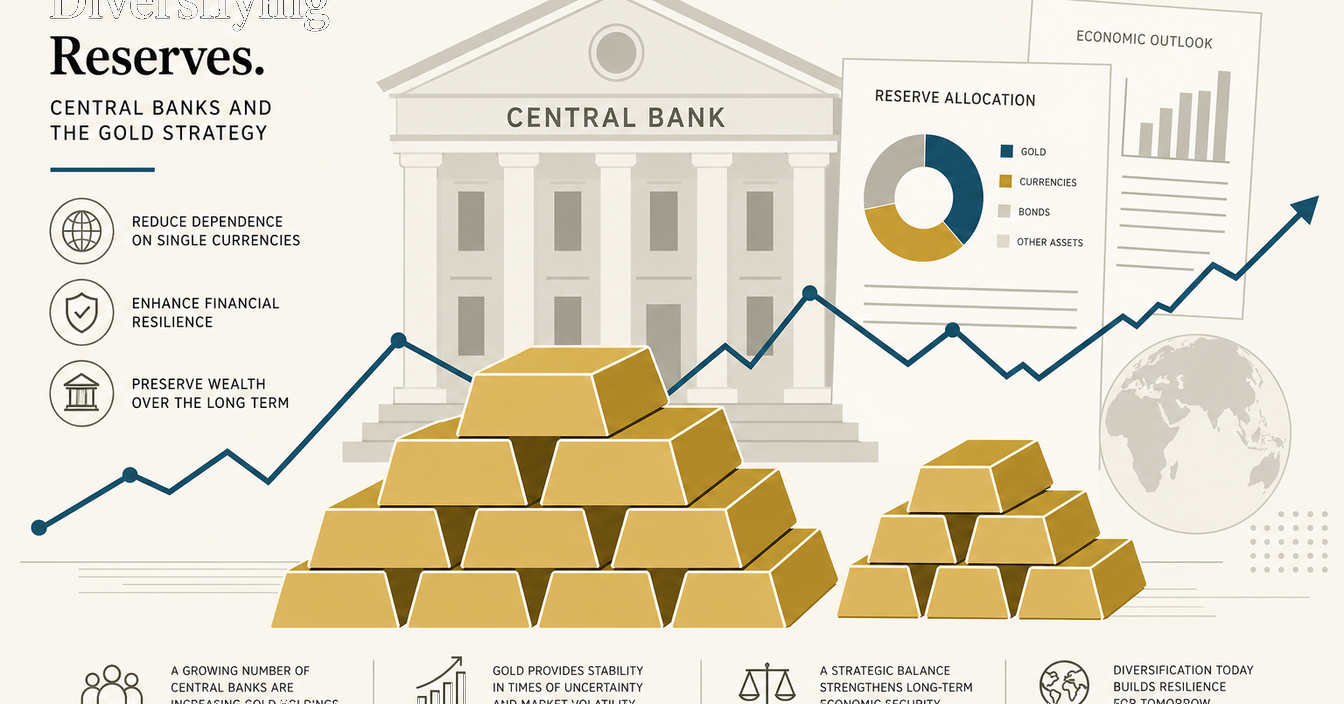
The survey, conducted among central banks managing more than $10 trillion in assets, showed a larger share of respondents now hold physical bullion than a year earlier. It also found a net share of reserve managers plan to raise gold allocations over the next one to two years, underscoring that official-sector demand is still viewed as a long-duration theme.
Beyond gold, the results point to a gradual shift in reserve thinking as political and geopolitical risks rise. OMFIF’s report indicates more institutions are considering reducing rather than increasing U.S.-dollar holdings over the coming decade, even while acknowledging the dollar’s liquidity advantages.
For precious-metals markets, central-bank activity matters because it can influence the expected “floor” under long-term demand. Gold is often treated as a reserve asset that can help diversify currency risk, and persistent official buying can offset periods when investor demand weakens due to higher bond yields or a stronger dollar.
The market impact will depend on follow-through in actual purchases, the pace of diversification away from the dollar, and how global interest-rate expectations evolve from here.
Why This News Matters
Central-bank reserve behavior is a major structural driver for gold. Evidence of broader planned diversification into gold and reduced reliance on the U.S. dollar can influence longer-term demand expectations and market sentiment for bullion.
Affected Metals
- GOLD: Survey evidence of planned central-bank diversification into gold and potential long-term dollar reduction may support expectations for ongoing official-sector bullion demand, which can influence gold sentiment and price dynamics over time.
Source: Kitco