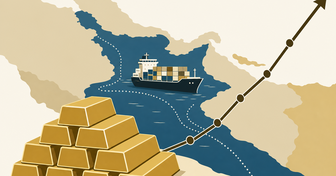


A softening in Brent’s near-term pricing structure signaled that oil supply is arriving faster than demand is absorbing it, after shipping flows through the Strait of Hormuz improved. Because energy prices feed into inflation expectations and interest-rate pricing, the move is a macro variable that precious-metals markets often monitor closely.
Oil markets sent a fresh macro signal on Friday as the Brent futures curve briefly shifted into a pattern that typically points to ample near-term supply. Reuters reported that prompt Brent traded below contracts several months out, reflecting expectations that current supply is comfortable after shipments through the Strait of Hormuz increased.
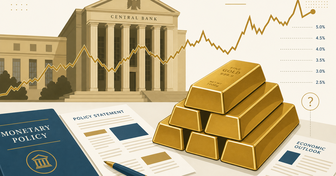
That change matters beyond energy. Oil is a major driver of headline inflation and can shape market views on how quickly price pressures may cool—or reaccelerate—over coming months. When energy prices signal easing near-term supply pressures, investors may reassess inflation expectations and the outlook for interest rates, which can influence the U.S. dollar, Treasury yields, and real yields.
For gold and silver, those cross-asset inputs are especially important because they affect the opportunity cost of holding non-yielding assets and can shift safe-haven positioning. Platinum and palladium can also be indirectly affected through changing inflation expectations and broader risk sentiment, even though their fundamentals are more closely tied to industrial demand.
The overall impact on precious metals will depend on whether the oil-curve move persists and whether it feeds into broader inflation and rate expectations.
Why This News Matters
Oil is a key input into inflation expectations and can influence bond yields and real-rate assumptions—major drivers for gold and, to a lesser extent, other precious metals. A visible shift toward near-term oversupply may reduce near-term inflation pressure, potentially altering how markets price monetary policy and safe-haven demand.
Affected Metals
- GOLD: A cooler near-term oil signal can influence inflation expectations, real yields, and the dollar—key drivers that may affect gold pricing and hedging demand.
- SILVER: Silver can react to the same macro channels as gold (rates, dollar, risk sentiment), even as its industrial component can add complexity.
- PLATINUM: While primarily industrial, platinum can be influenced by broad risk sentiment and macro repricing tied to inflation and rates.
- PALLADIUM: Palladium is mostly demand-driven by industry, but shifts in macro conditions (inflation/rates/risk appetite) can still affect investor positioning and pricing.
Source: Reuters (via Kitco)